danube deep
aka “visible invisibles: looking deep into the danube”

danube deep explores the past, present, and potential futures of the Danube river in a collaborative flow between human and a.i. technology. It is a transdisciplinary artistic project intended to democratize such algorithms and it involves an open source generative adversarial network (styleGAN), maps of the Danube and collective participatory knowledge sharing. Taking in three sets of maps of the Danube, the network "learns and thinks" about the Danube, coming up with visual representations of potential pasts, presents and futures of the river. The "learning and thinking process" is depicted visually in three channel installations (image, animation or audiovisual). The viewer can now take a peek into the veiled unknowns of a general adversarial network, exchange knowledge and challenge the technology. (linktr.ee/lucghe)
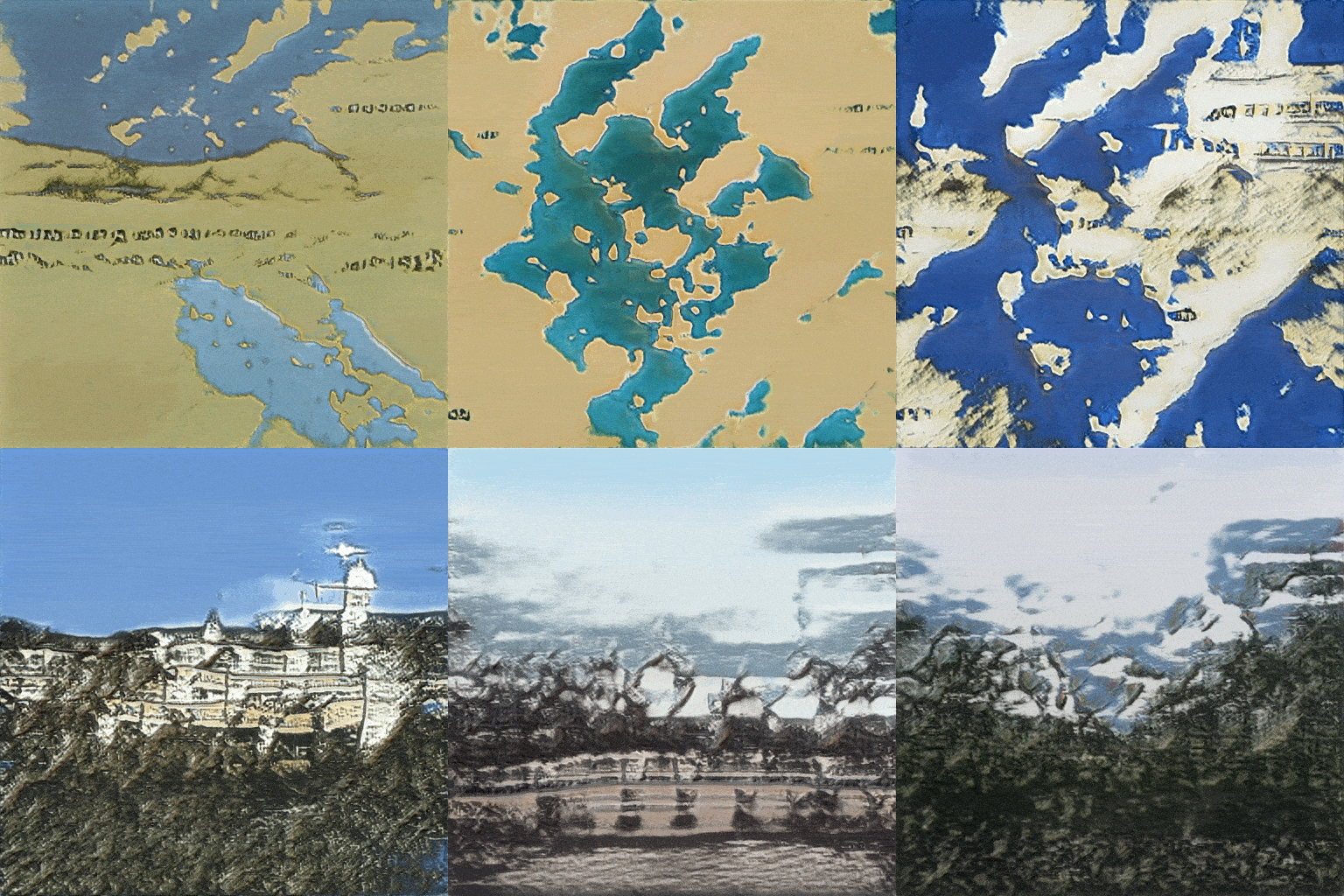
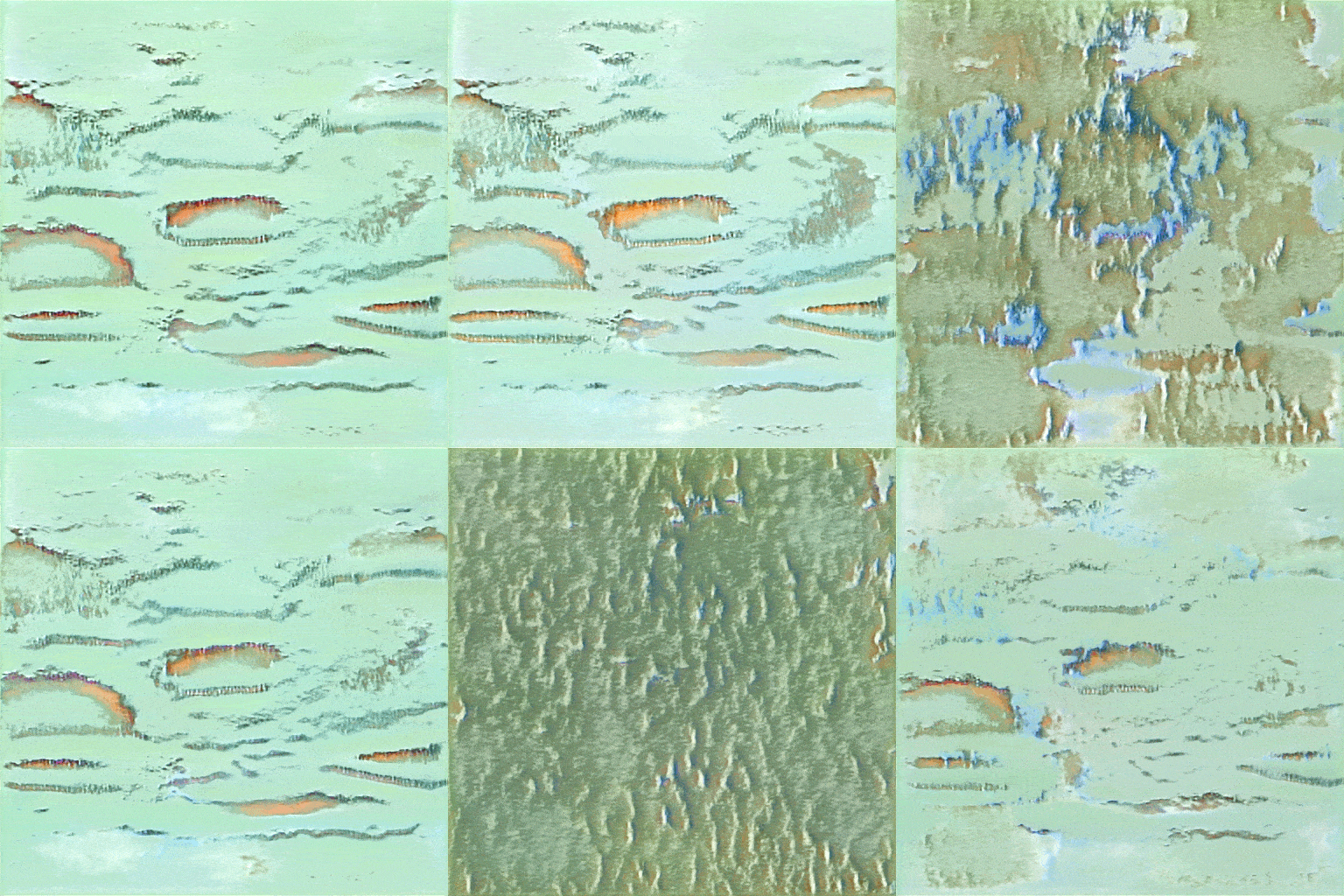
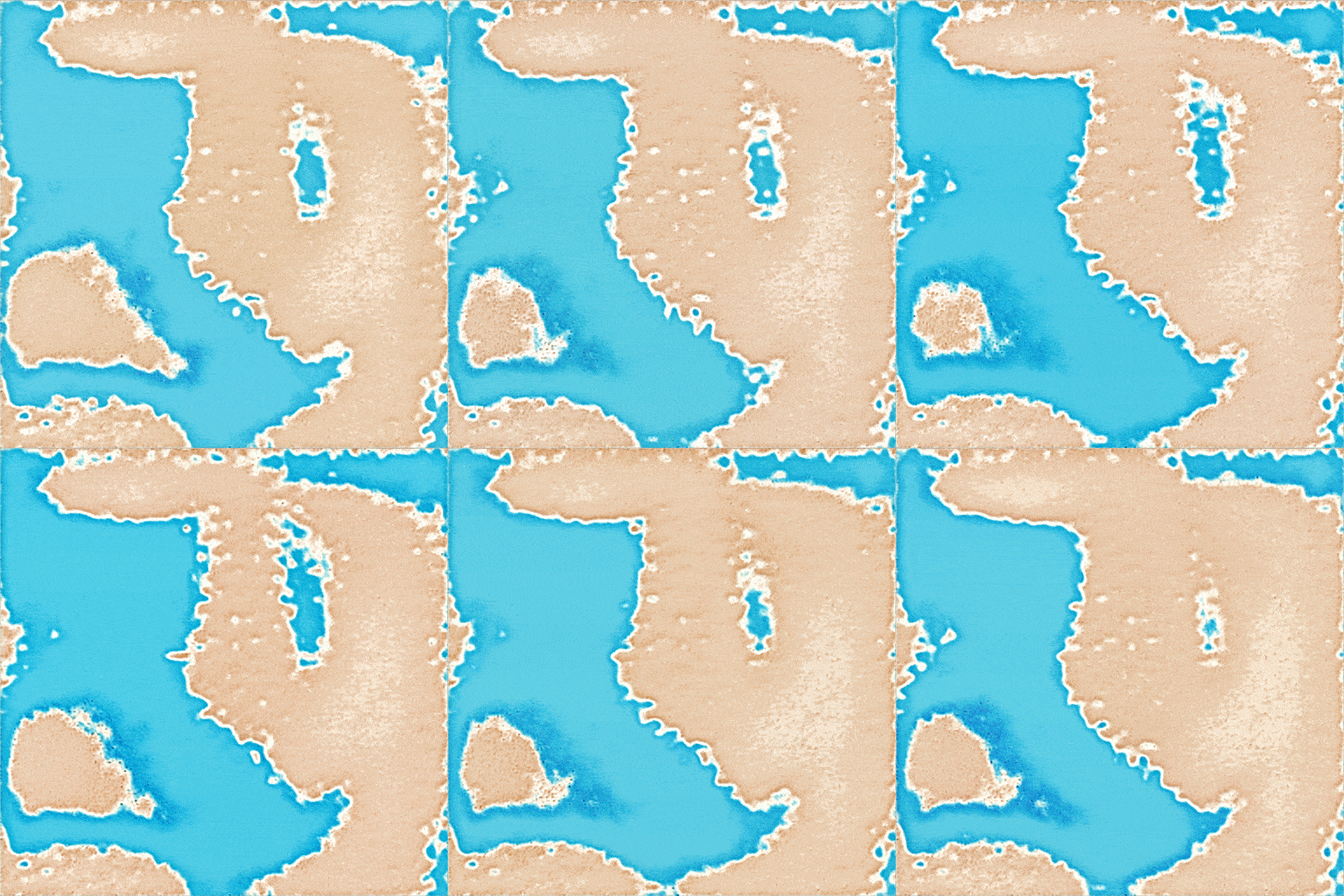
a transdisciplinary art and research project exploring the past, present, and potential futures of the danube river in a collaborative flow between human and a.i. technology
the project recognizes the digital condition1 of societies and addresses concerns brought on by a.i. technology through participatory a.i.2a, 2b design
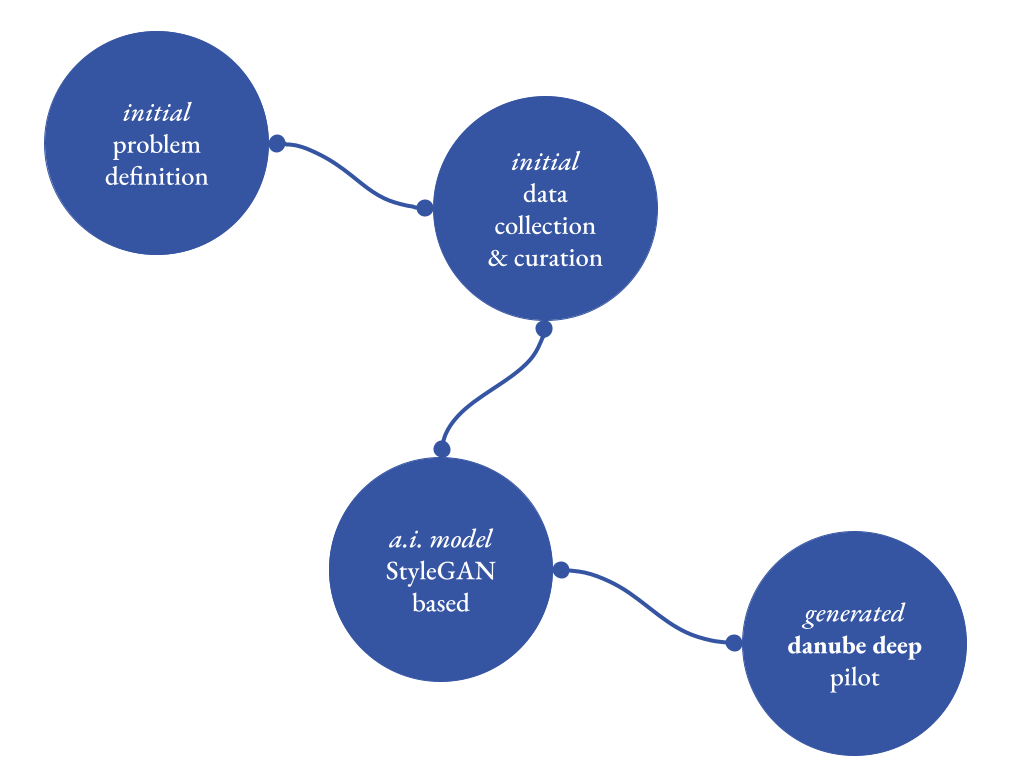
after the first collective step of problem determination and evaluation, followed by the second step of data collection and curation, the third step is the project prototype as presented here for consultation and evaluation
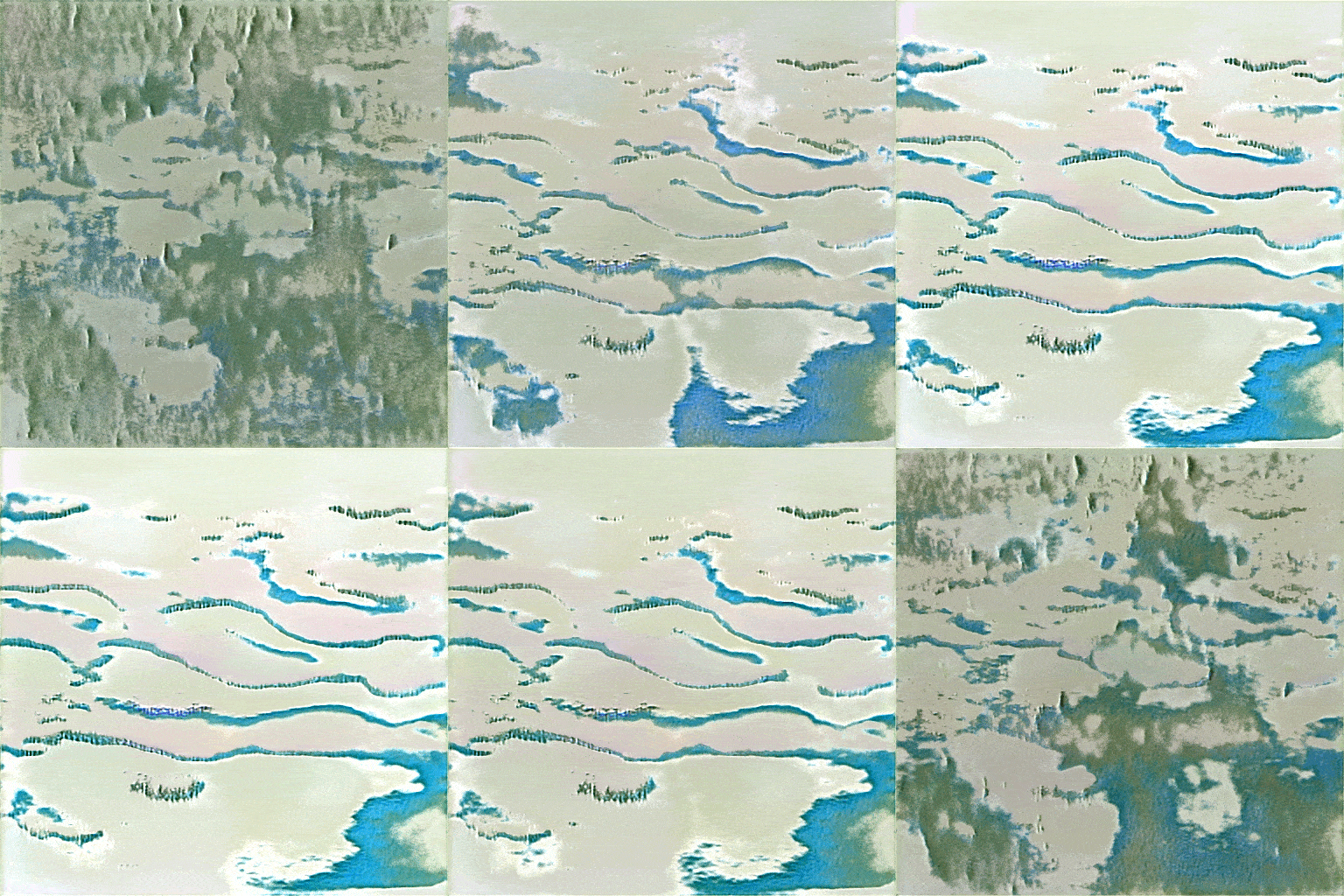
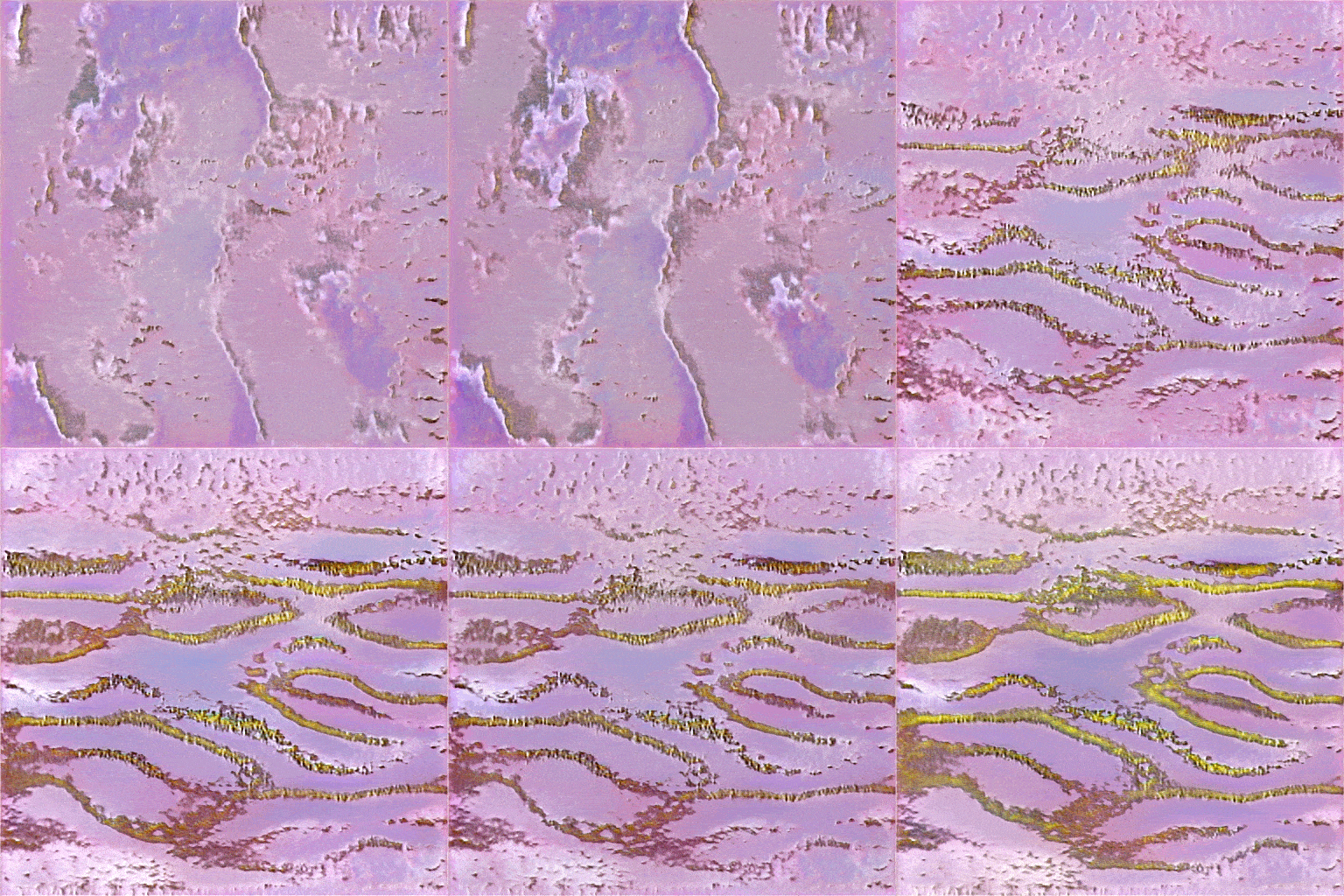
danube deep pilot
audio film meld
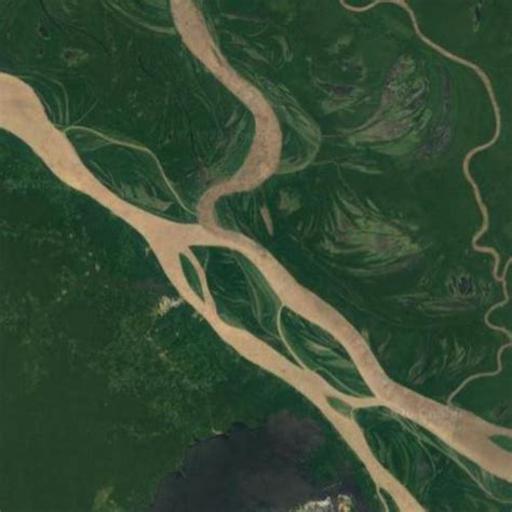
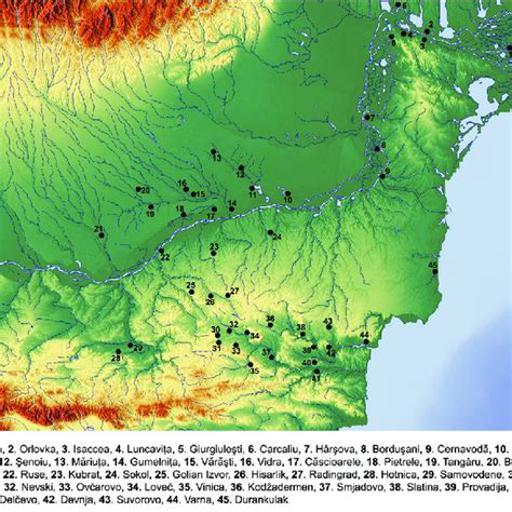
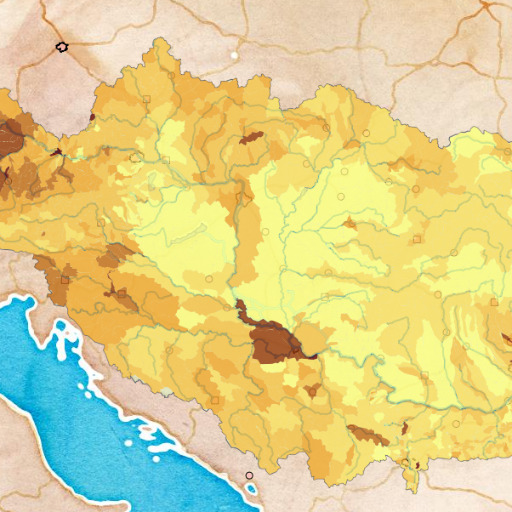
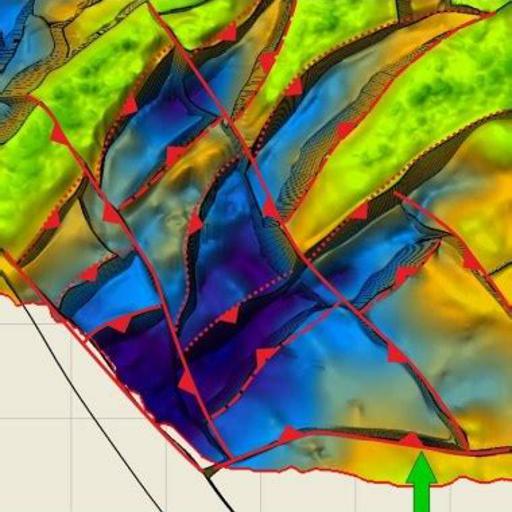
a three channel video installation format exposes the way in which this particular a.i. technology5a, 5b models, or “learns and thinks”, based on images and maps of the danube river arranged from
- (1) a complete dataset3, 4 of 3897 items
- (2) a curated selection from the dataset of 150 items and
- (3) a singular-source4 collection of 188 items
[on wide screens, preferably play all three clips at once]
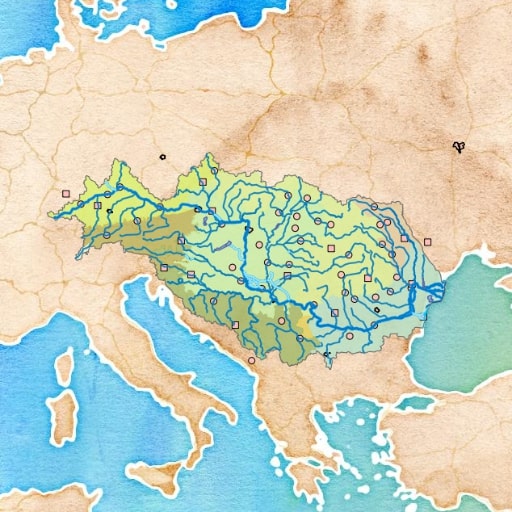
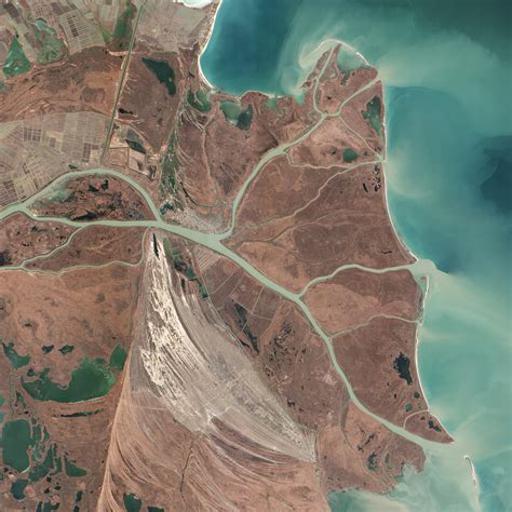
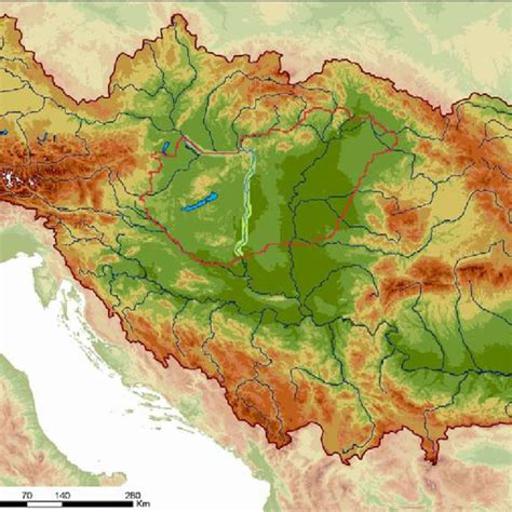
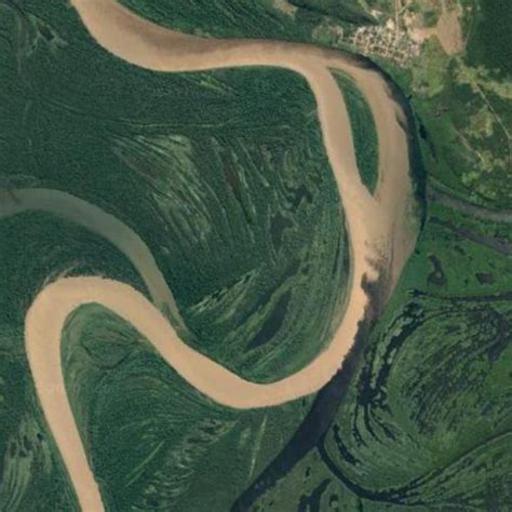
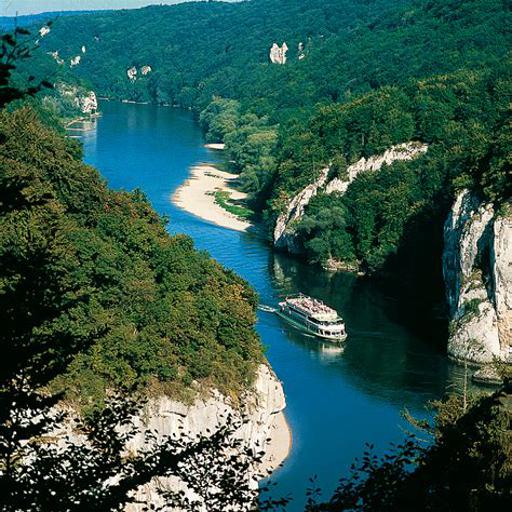
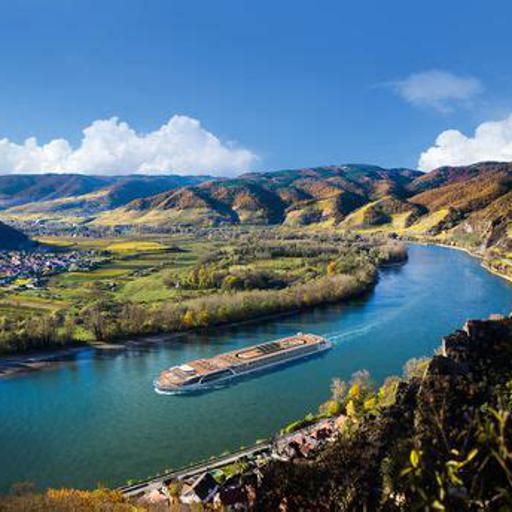
🔽danube_deep_dataset.zip (~156mb)
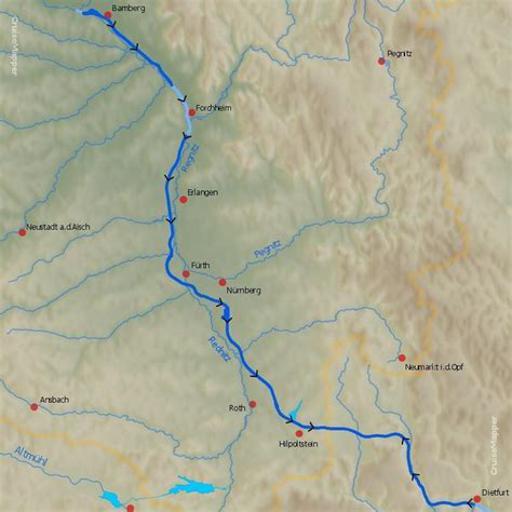
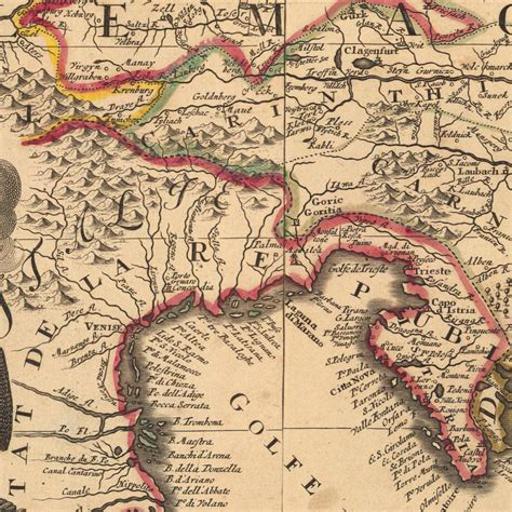
🔽danube_deep_curated_dataset.zip (~10mb)
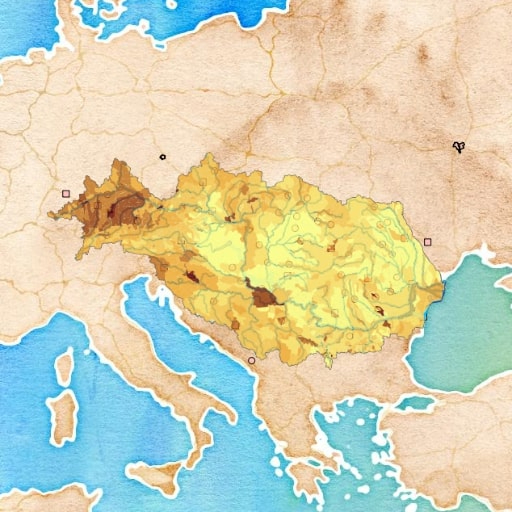
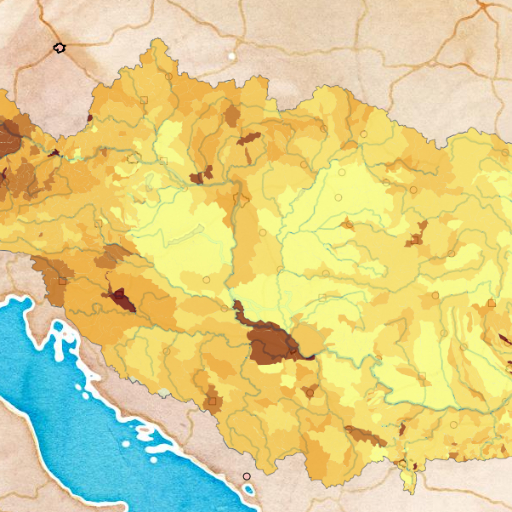
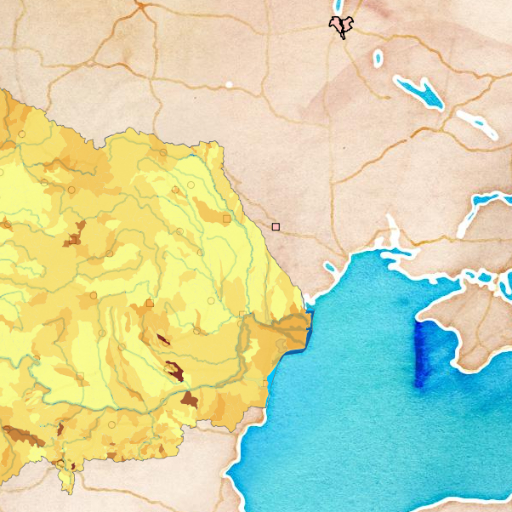
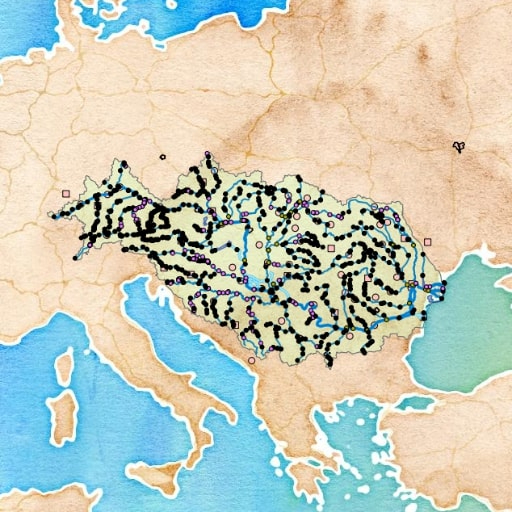
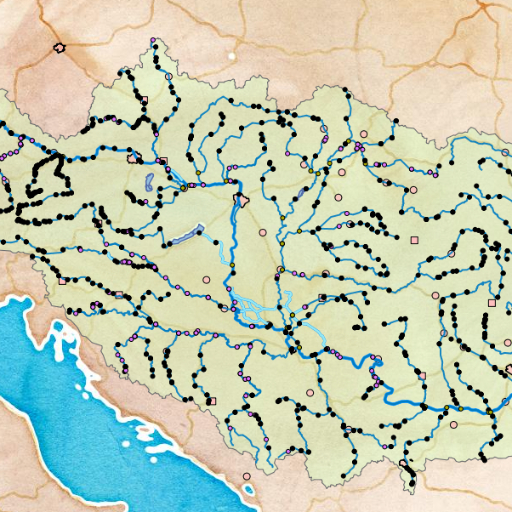
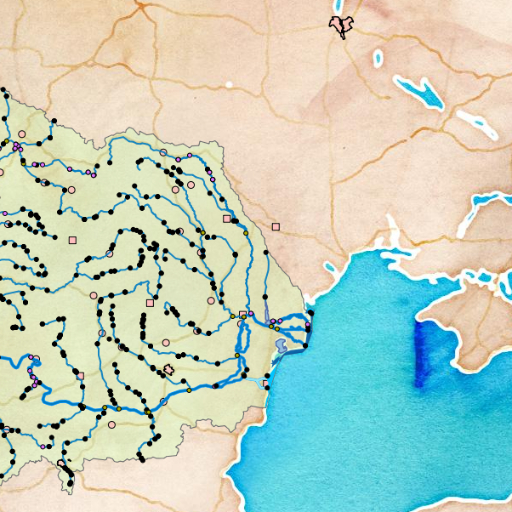
🔽danube_deep_danubegis_dataset.zip (~58mb)
subsequent work would consist in numerous iterations through continuous collaborative evaluations
workflow
potential partners are all those with a stake in the danube river but particularly those who want/should have a say in technology design, including danubians and non/technologists such as artists, activists, students, teachers, employees, organizations, recreationists, scientists, non/citizens, inhabitants, non/humans, etc.

lucian-viorel gheorghiță
collaborate, consult, chat, critique
lucian-viorel.gheorghita@student.uni-ak.ac.at
january 13, 2022
cross-disciplinary strategies (ma)

acknowledgements
inspired by and built upon the work of Robert A. Gonsalves6
also inspired by the work of Refik Anadol Studio7 by Refik Anadol8
references
1. Stalder, Felix. 2018. The Digital Condition. Translated by Valentine A. Pakis. Wiley.
2a. G. Falco, “Participatory AI: Reducing AI Bias and Developing Socially Responsible AI in Smart Cities,” 2019 IEEE International Conference on Computational Science and Engineering (CSE) and IEEE International Conference on Embedded and Ubiquitous Computing (EUC), 2019, pp. 154-158, doi: 10.1109/CSE/EUC.2019.00038.G. Falco, “Participatory AI: Reducing AI Bias and Developing Socially Responsible AI in Smart Cities,” 2019 IEEE International Conference on Computational Science and Engineering (CSE) and IEEE International Conference on Embedded and Ubiquitous Computing (EUC), 2019, pp. 154-158, doi: 10.1109/CSE/EUC.2019.00038.
2b. Peach, Kathy. 2021. “Participatory AI for humanitarian innovation: a briefing paper.” Nesta. https://www.nesta.org.uk/report/participatory-ai-humanitarian-innovation-briefing-paper/.
3. applied danube related searches (“danube river map”, “danube maps google”, “danube map”, “danube maps”) based on work done in “ImageScraper.” n.d. Google Colab (Colaboratory). https://colab.research.google.com/github/joedockrill/image-scraper/blob/master/ImageScraper.ipynb.
4. ICPDR. “DanubeGIS Your window to the Danube.” DanubeGIS | Your window to the Danube. https://www.danubegis.org/.
5a. NVlabs. “NVlabs/stylegan2-ada: StyleGAN2 with adaptive discriminator augmentation (ADA) – Official TensorFlow implementation.” GitHub. Accessed January 13, 2022. https://github.com/NVlabs/stylegan2-ada.
5b. Tero Karras, Miika Aittala, Janne Hellsten, Samuli Laine, Jaakko Lehtinen, Timo Aila. 2020. “[2006.06676] Training Generative Adversarial Networks with Limited Data.” arXiv. https://arxiv.org/abs/2006.06676.
6. Gonsalves, Robert A. “Robert A. Gonsalves.” Robert A. Gonsalves – Medium. https://robgon.medium.com/.
7. Refik Anadol Studio.2022. Refik Anadol Studio AI and Architecture. https://refikanadolstudio.com/.
8. Anadol, Refik. 2021. “About.” Refik Anadol. https://refikanadol.com/about.